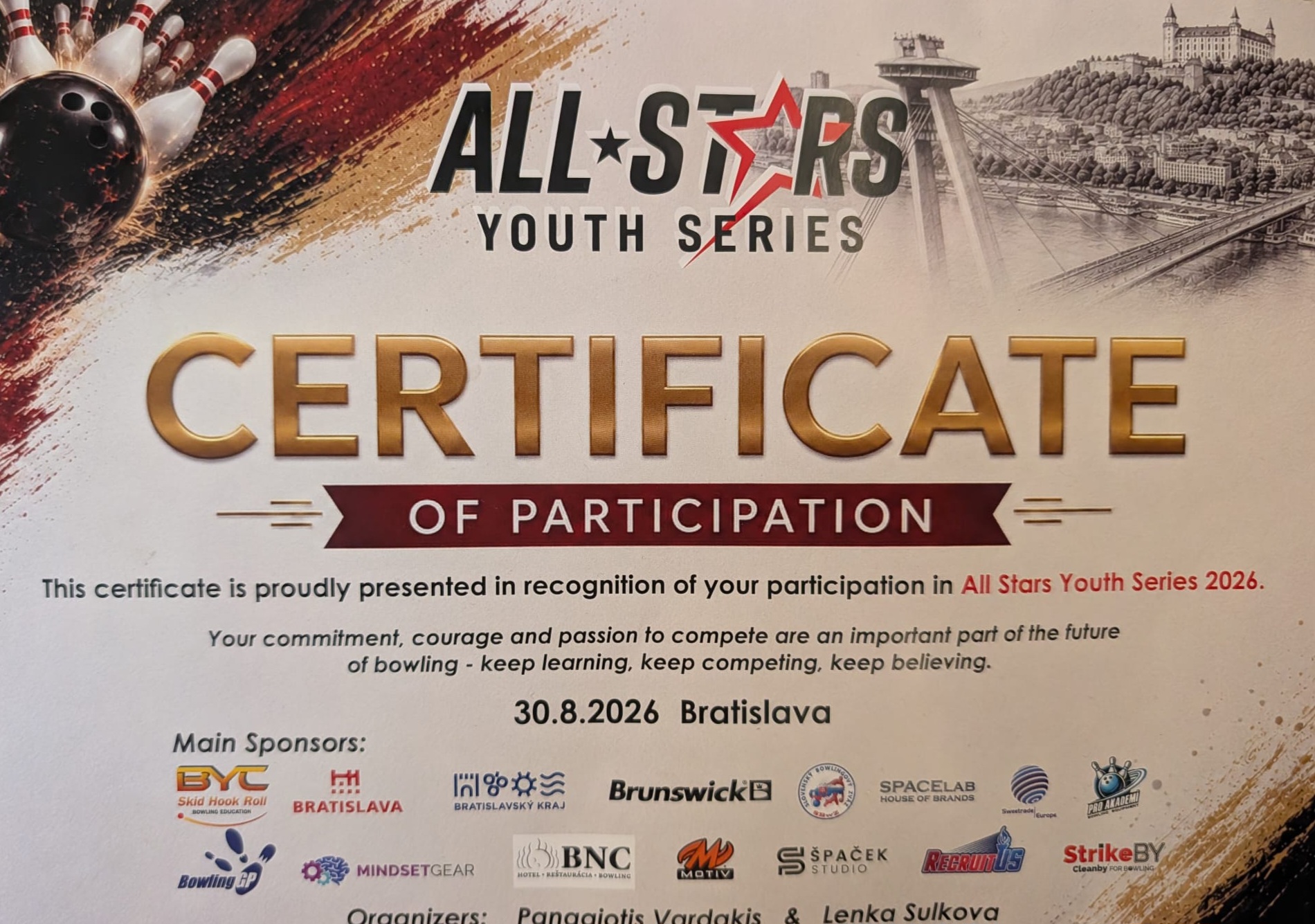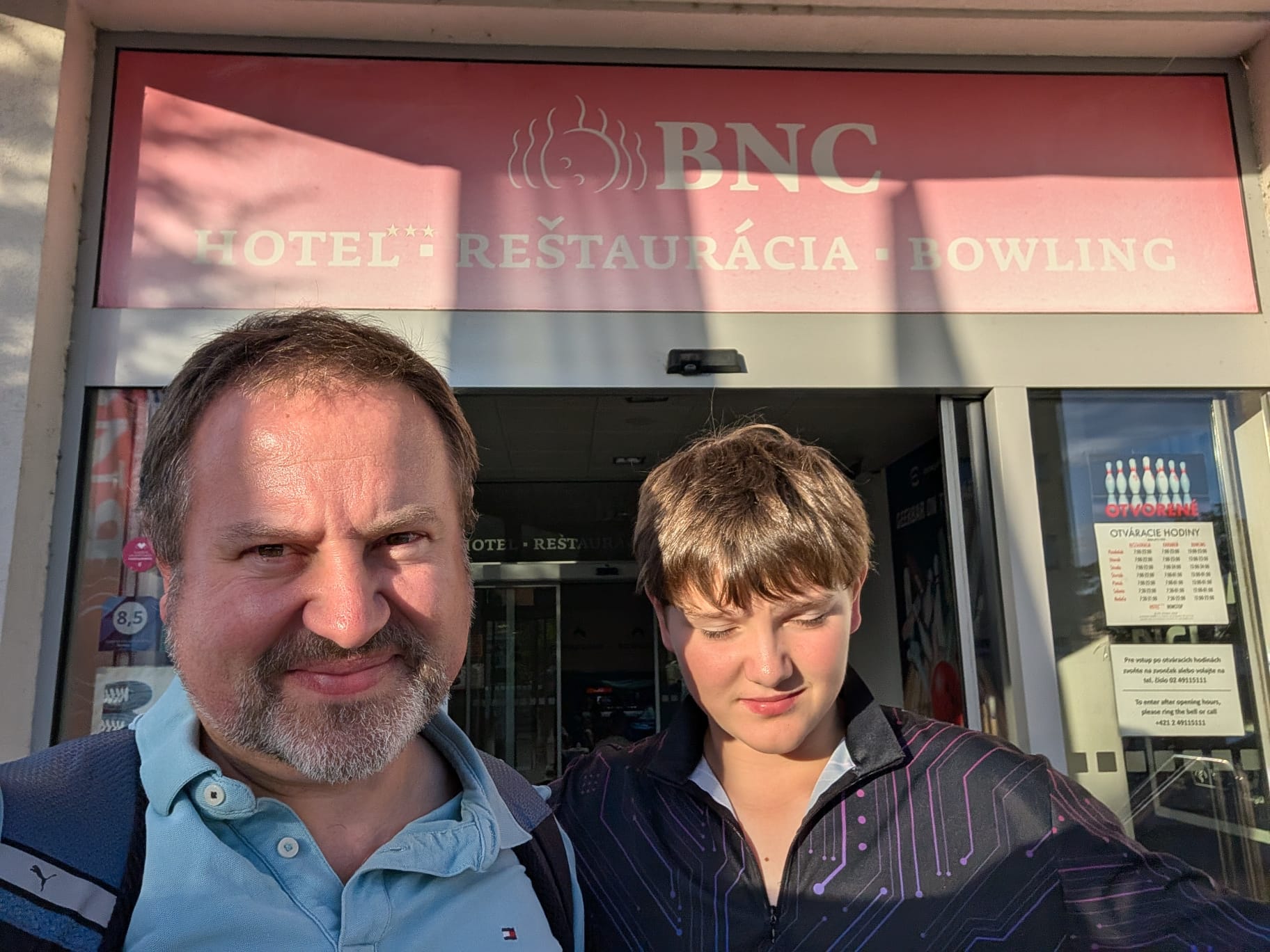
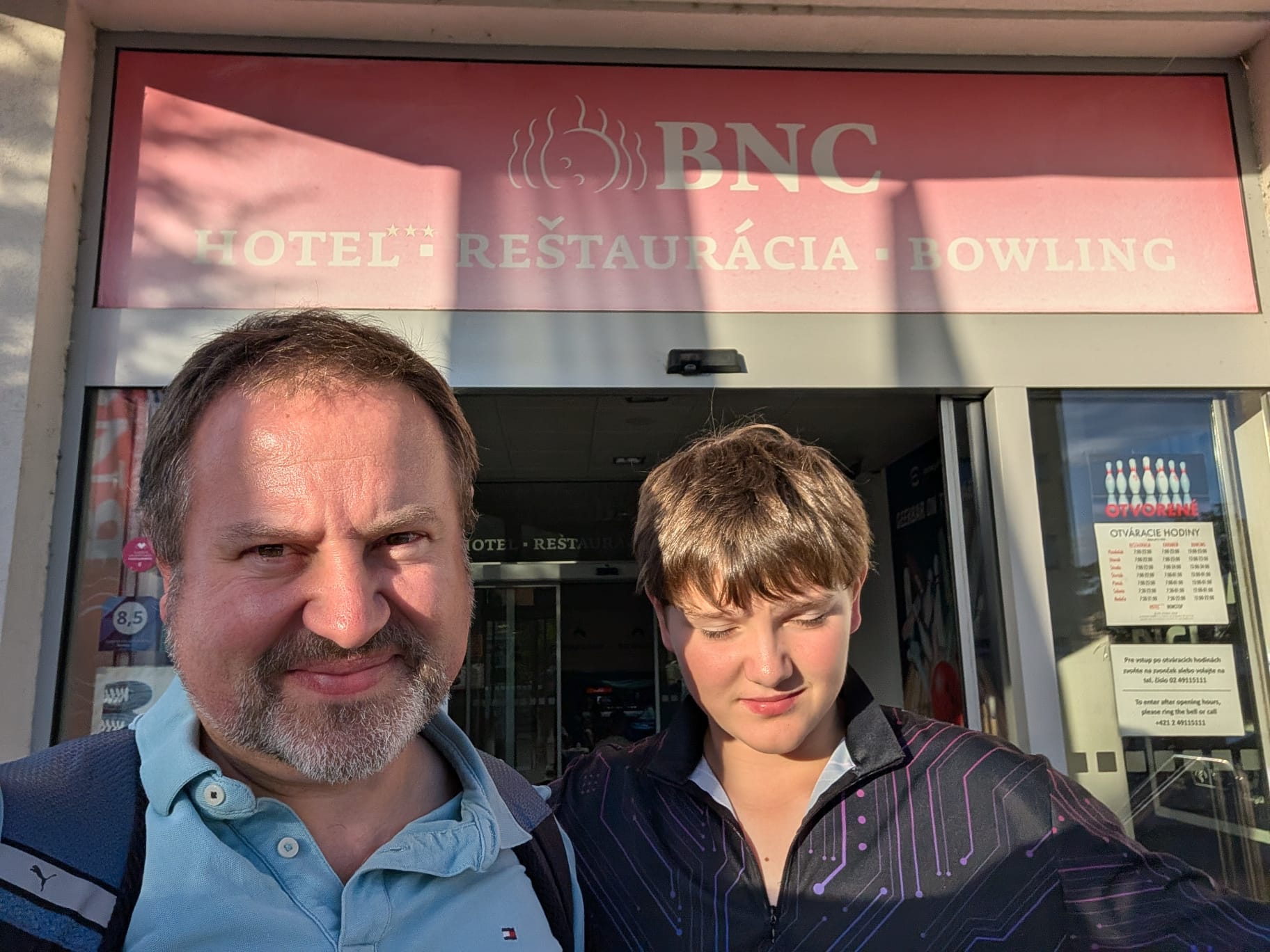
In August 2026, Seb Lawrence (12, Dunstable Dragons YBC) and his dad Adam drove from the West Midlands to Bratislava for the All Stars Youth Series, Seb’s first international tournament. Seb finished sixth overall in the Under-14s as the youngest bowler in the boys field.
Here Adam sets out what it took, what it cost, and why more British bowlers should be doing it.
Why we went
There is a version of youth bowling in this country where the ceiling is Team England selection, and if you are not selected, that is that. It is a perfectly good version – but we have live evidence of bowlers who have as recently as 2026 won PBA tour titles – and to do that, we need to think bigger!
The European scene is right there. It runs all year, across a dozen countries, and for most of it you do not need to be picked by anybody. You enter, you pay, you turn up, you bowl. That last point is worth sitting with for a moment, because it is the one that surprises people most. There is no selection panel between your bowler and an international field. There is a website, a squad list, and a car.
We had never done anything like it. I had never driven in Europe at all. Seb had bowled his first tournament in February 2024.
One of the points of this article is to help you work out what we had to work out on our own!
The background
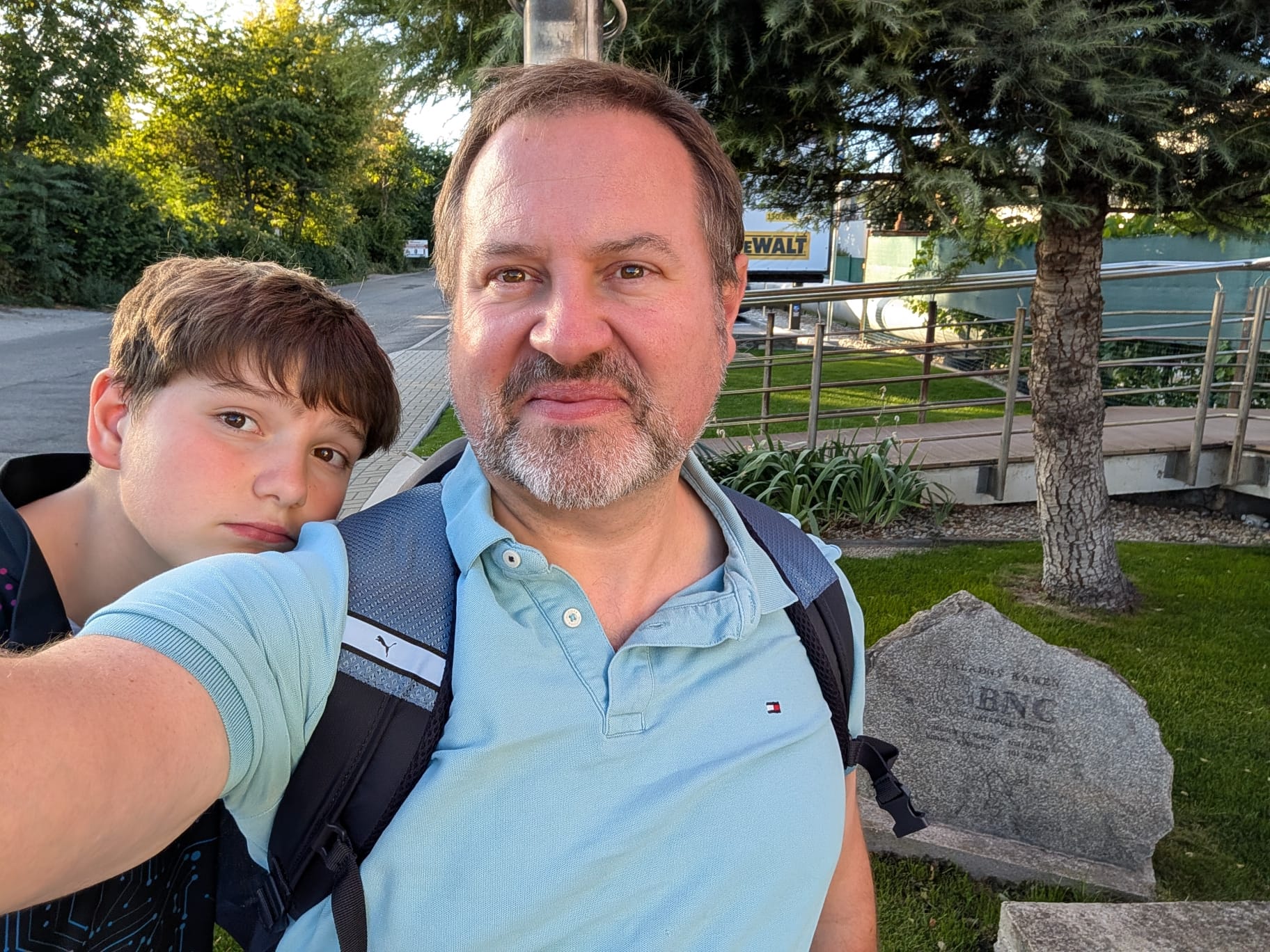
The All Stars Youth Series took place at BNC Bratislava over the weekend of 27 to 30 August 2026. Seb bowled squads seven through ten across the Saturday and Sunday, on Junior Gold patterns brought over from the United States. Two patterns, A and B, neither of them anything like a house shot. Challenging oil patterns with 3:1 ratios, and the patterns used for the biggest Youth Tournament out there.
He made a ball change on his very first shot of the tournament. Threw one, read it, came off the urethane and onto a reactive solid before the second frame. That is the bit I keep coming back to, because nobody told him to do it (certainly not me, because I’d just get shouted at, of course!). 1,050 miles by road from home, in a building he had never seen, against bowlers he had never met, a twelve-year-old made his own call and it was the right one. He opened with 182 and kept building.
Four squads later he had made the Sunday finals, and he finished sixth overall in the Under-14s, the youngest in the field by some margin. The detail of all of that is in the below.
I am not putting that here because he is my son. I am putting it here because a twelve-year-old from a YBC, with no international experience whatsoever, went to Central Europe and finished sixth. The gap between our bowlers and theirs is not what people assume it is. You just have to go and find out.
The tournament
We arrived on Saturday morning at the Bowling National Center and the first squad went well.
After Seb conceded nearly a foot in height to some of his opponents (and he’s not small!), he shook off the nerves and put in an 898 in his first block of 5 games, only 16 pins behind the squad winner. A good start. His 873 on the next block, the other pattern they were using, didn’t look too bad but it was clear that was going to be the higher scoring pattern for the older boys as Samuel Caruso from Malta bowled an impressive 1150 over that block of 5 (yes, 230 average for an under-14, that’s right!)
He finished 9th and needed to be top 16 to qualify – four bowlers finished over, and two of those finished with an average over 210. Seb knew he could do that, but it would take some luck and all the focus that he had. He knew he could do more than the 177 he’d put in on the qualifiers, but – in honesty – that’s probably where his average is on a sport pattern at the moment, and indeed a higher average than he’d managed in the sport league at Stroud over the previous months.
The cut
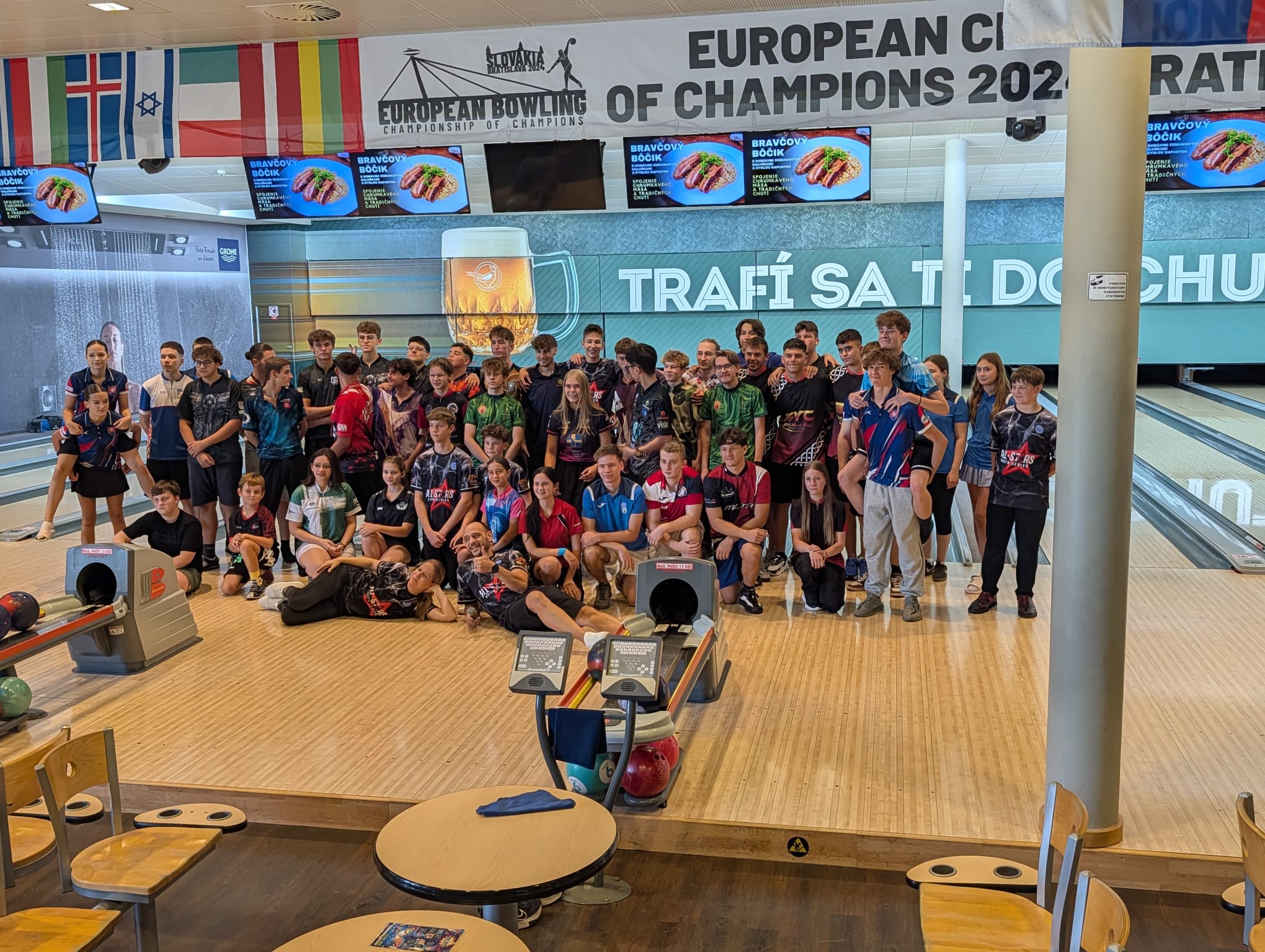
It was the second time he’d experienced a cut in a tournament. From 20+ entries the top 16 were through with scores reset. So – 3 more games. His finger was injured because of heat, and because he’d grown as well (that’s now been sorted, of course) – and the help on hand from coaches Mark Spiteri from Malta and Panagiotis Vardakis was plentiful, friendly and given without question. Nu-skin, bravery, patches, and off he went.
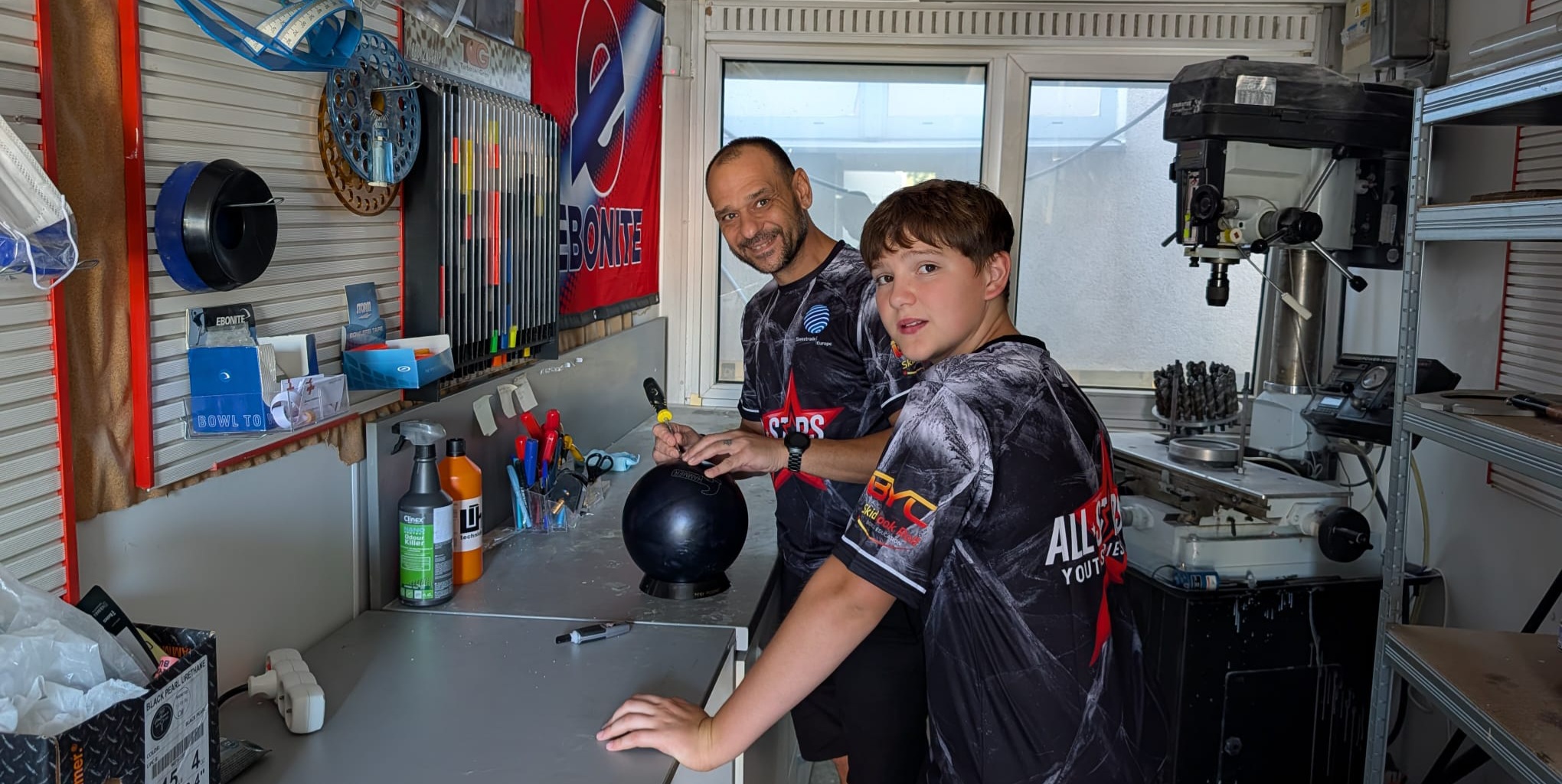
He opened with a 516 set on the next 3. He was quiet, because it got him into the top 8 in 8th, and these pins carried forward. He knew this meant he needed a lot more. Nerves started to kick in for everyone though, and he dug deep. 204-216-one massive game would mean he might qualify. Pressure. It didn’t happen, sadly. He was a comfortable 6th – 100 pins ahead of 7th, but his 179 in the last game meant he finished 90 pins away from qualifying. To get through would have been high game territory. He’d made the target that we’d set, and, whilst still disappointed, he impressed all the older bowlers in his category who were very friendly, kind and complimentary.
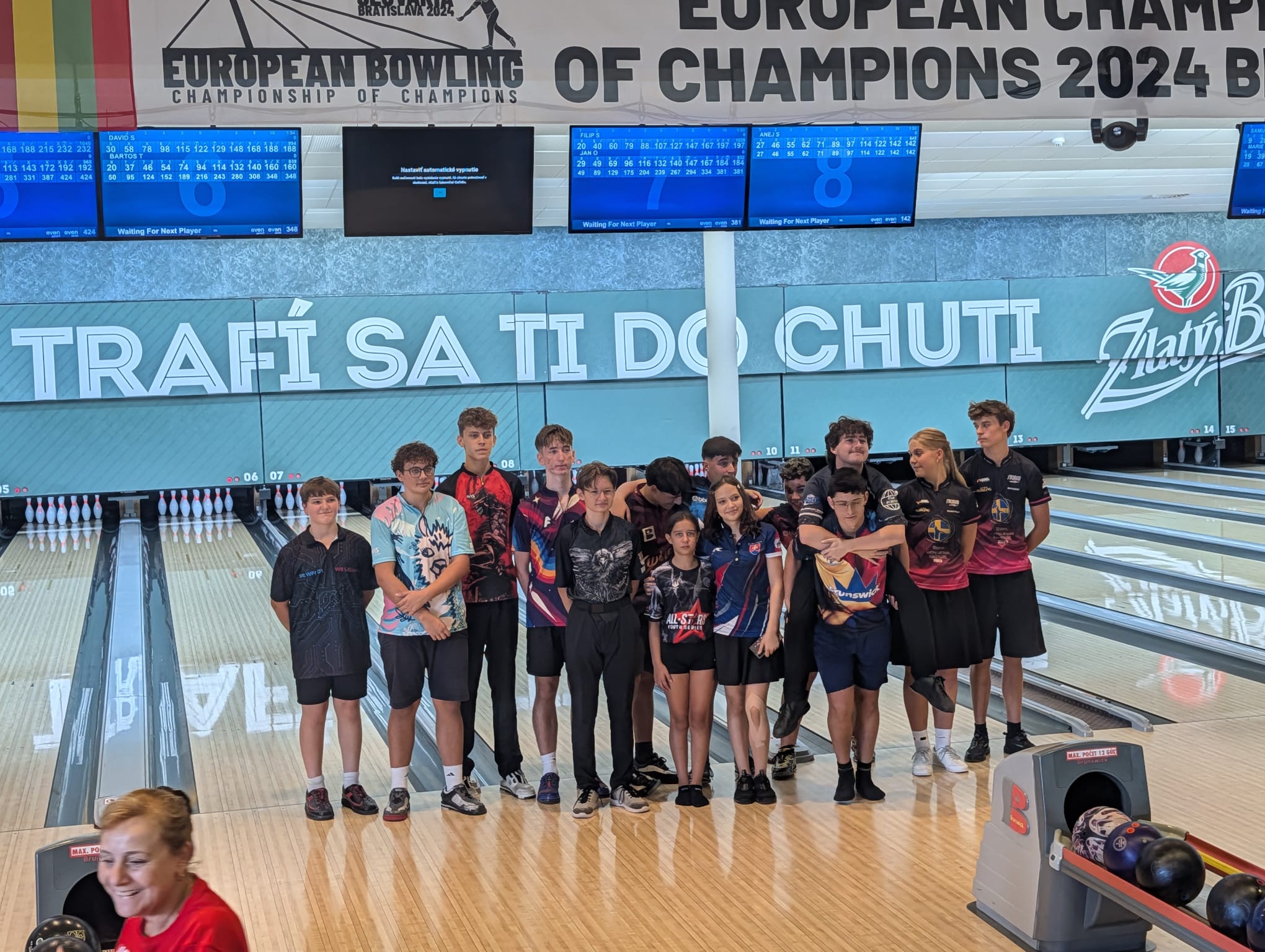
The stepladder
So, we settled down to watch our first LIVE stepladder, as 4th played 3rd. Tension was
palpable. Much more than I expected. The standard of bowling on offer was electric, and local favourite Jakob Dolezal who had qualified with an excellent 649 in his second set, looked good.
He beat Caruso 236-213, then Mikhail Mallia also from Malta 216-191, and it looked like he might run the stepladder.
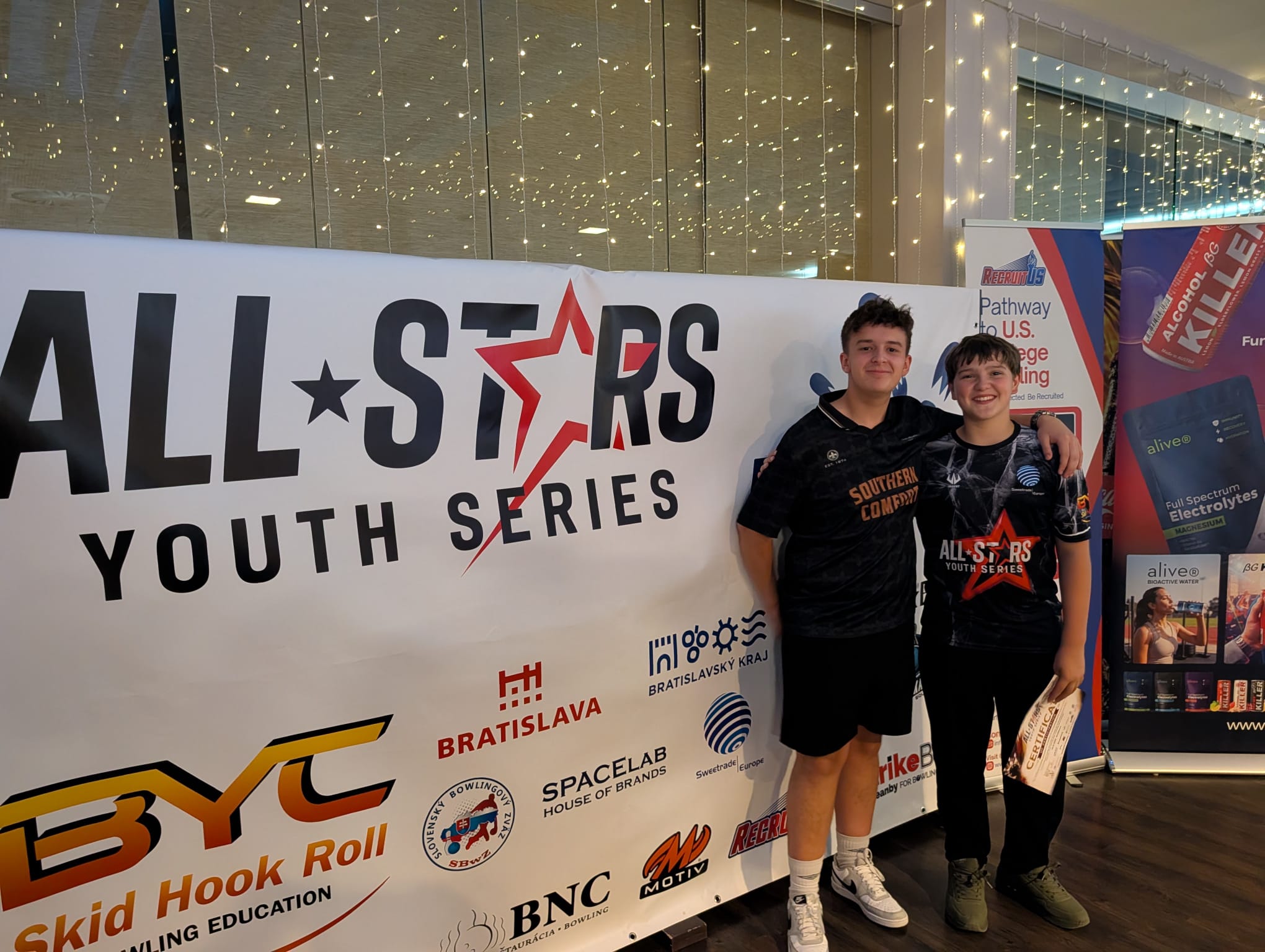
Then – the reaper came. Jan Otec, who had looked great all day and won the qualifying set of 6, stepped up and looked unstoppable. He ground Kuba down, and won 225-161. What a match!
What it actually takes
Honestly? Less than you think, and it is nearly all one-off learning.
The driving. Solihull to Bratislava is around 1,050 miles each way. We did it in two days out and two days back, with a night in Germany on either side. Channel Tunnel from Folkestone, then France, Belgium, Germany, Austria, Slovakia. Motorways the whole way and better surfaced than ours. (Still, for reference, I’d fly next time, although I wouldn’t put anyone off theadventure side of it!).
The paperwork. Less than expected. No international driving permit needed. No green card. You want the original V5C rather than a copy, and if you are travelling with a child without the other parent, take a consent letter and a copy of the birth certificate. The one that catches people out is the passport ten-year rule: your passport must have been issued less than ten years before you enter, and must still have three months left when you leave. Because pre-2018 renewals carried unexpired months over, a passport can be perfectly in date and still fail. Check both dates now, not the week before.
The tolls. Two vignettes, both bought online in five minutes and linked to your number plate.
Austria was €12.80 and Slovakia €12.50 for ten days. France, Belgium and Germany charge cars nothing on that route.
The driving rules that are genuinely different. Never overtake on the right in Germany, not even in slow traffic. Learn the Rettungsgasse: when motorway traffic stops in Germany or Austria, the left lane pulls left and everyone else pulls right to make a corridor, immediately.
Speed camera alerts are illegal in France and Germany, so turn them off in your phone apps before you set off. Dashcams are effectively banned in Austria. Slovakia is a flat zero for alcohol.
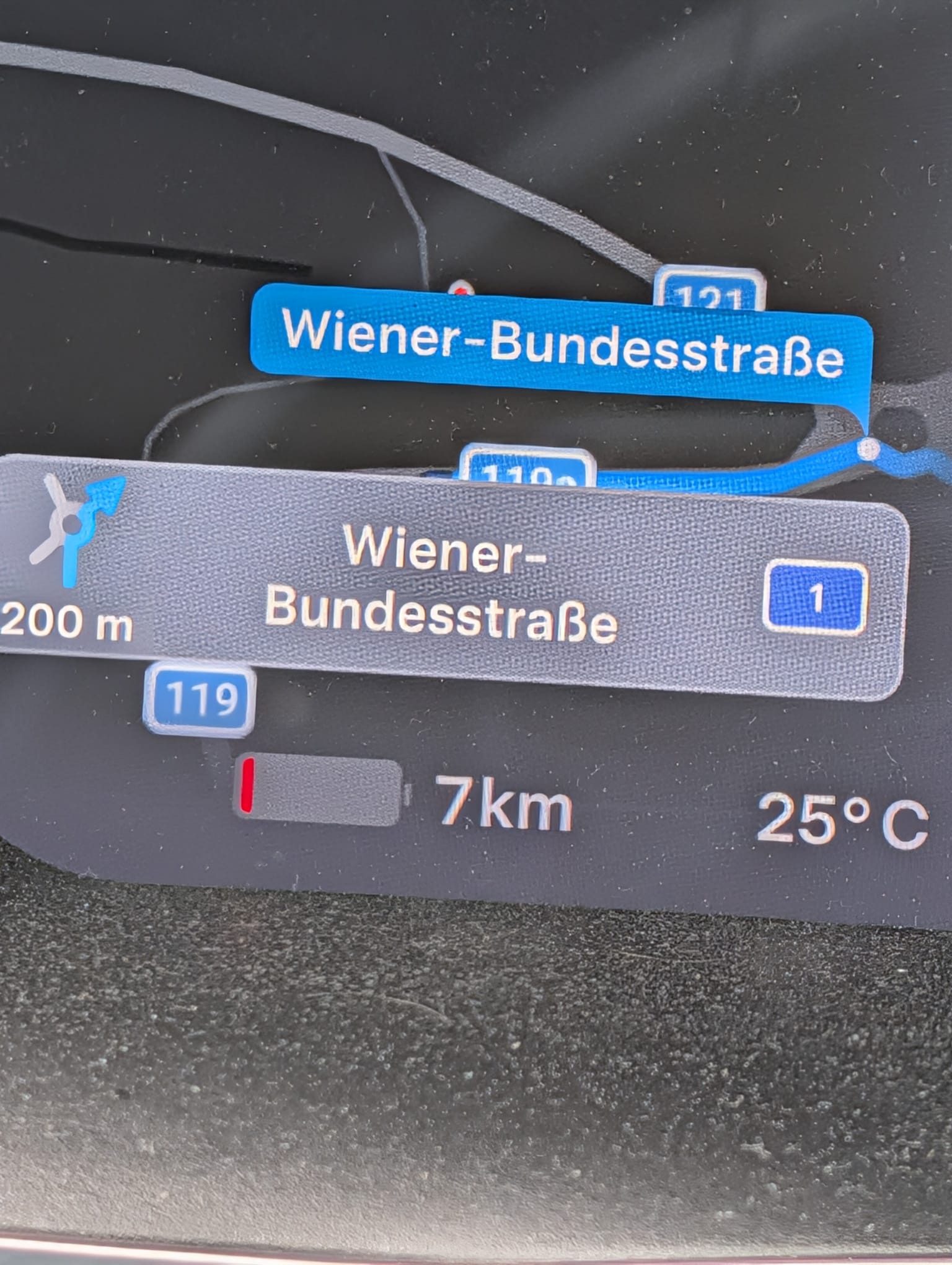
The car. Ours is electric, which sounds like the hard way to do it and was not. The charging network across that corridor is far ahead of ours. Round trip of roughly 3,400 km cost between €280 and €370 in electricity. Arrive at a charger around 10 to 15 percent, charge to 60, keep moving. Four short stops beat two long ones by about an hour a day, and the stops give a bowler time to stretch.
What it costs
Being straight about money matters more than anything else in this article, because cost is the reason most people never look into it.
Item Approximate cost
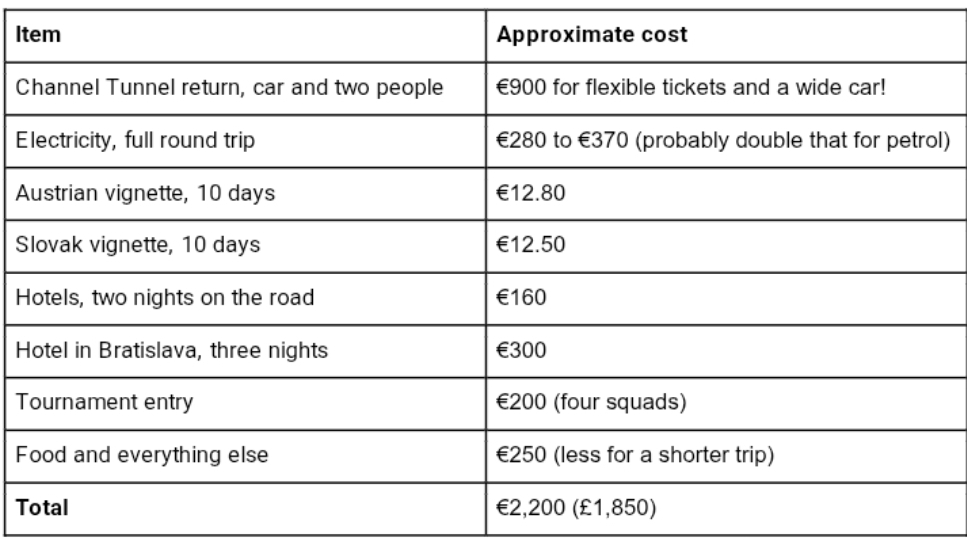
Put next to a week away anywhere else, it is not an outlandish number. Put next to what
families already spend on domestic tournaments across a season, it is a lump. A fair chunk of it is the travel, which does not change much whether one bowler goes or three do. Two or three families travelling together would bring the cost per bowler down substantially. Airbnb sharing, clubcard points can pay for the eurotunnel (they double up, thankfully) if you save up, and with good prep the food bill could come down too!
What we took from it
The patterns are the point. Our bowlers get very good at what our tours put in front of them.
Put a young bowler on an unfamiliar sport pattern in an unfamiliar building and you find out what they actually know, as opposed to what they have memorised. Seb learned more in four squads in Slovakia than in any weekend at home. He had been rolling in the Thursday night league at
Stroud for 13 weeks, on PBA Viper, and Stroud also kindly put the two patterns down for us for a practice a few days before.
This was invaluable. Expectation gets recalibrated, in both directions. You see what the standard is. You also see that it is human, reachable, and that our bowlers are closer to it than the conversation at home sometimes suggests. You see their coaching, their setups, their approach to collaboration – and it is inspiring stuff.
It is not a Team England alternative, it is a Team England apprenticeship. Everything that makes international bowling hard, the travel, the tiredness, the strange lanes, the long days, the waiting between squads, is a skill. You cannot learn it at your home centre. You can learn it in Bratislava – or somewhere nearer to home – for the price of a family holiday. And it is a brilliant few days. We saw six countries, ate badly, argued about music, and he beat me at chess in a service station somewhere near Regensburg. Whatever happens in his
bowling, we both keep that.
If you are thinking about it
Start with one event within a day’s drive. Ireland, The Netherlands, Belgium, Germany and France all run youth tournaments a British family could reach comfortably. Check the entry conditions, because some events are open and some require a national federation entry. Email the organisers early and ask for the oil pattern, they are almost always happy to share it. Book the return crossing as a flexible ticket, because finals days overrun. And take another family with you if you can.
If you want to talk it through before you commit, I am very happy to hear from anyone who is thinking about it. Between us we now know where the mistakes are, and there is no reason for anyone else to make them.
The European scene is not a closed door. It is not even a door. It is a road, and it starts at Folkestone, or Dover if you don’t fancy the tunnel!
Adam Lawrence is the BTBA’s Director of Business Development and a parent at Dunstable Dragons YBC. If you have a story from a tournament at home or abroad, Youth Bowling would like to hear it.
Congratulations to Seb and to everyone who competed at the All Stars Youth Series
2026.